Portrait session planning
How to Prepare Children for a Photo Session
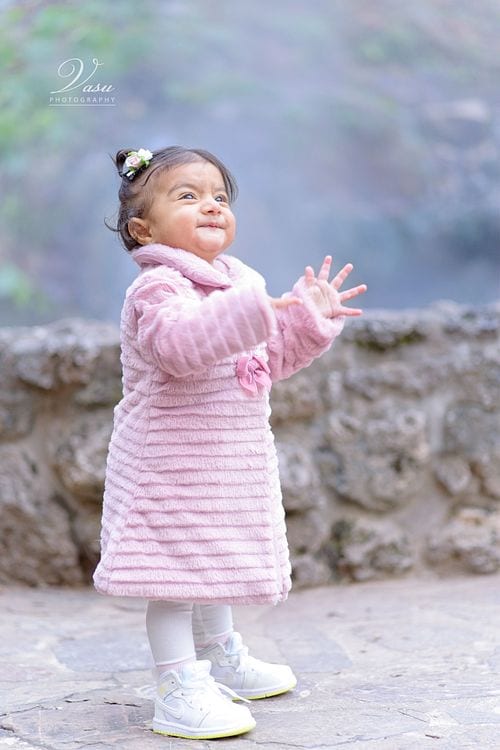
Children do not need to perform happiness for a camera. They need a clear, age-appropriate idea of what will happen, adults who are not visibly anxious, and enough flexibility to be themselves.
01 / 06
Describe the session simply
Use concrete language: “We are going to meet Vasu, walk around, play a few games, and make photographs together.” Avoid promising that it will be over instantly or framing the session as a test of good behavior.
For very young children, talk about it close enough to the session that the explanation stays useful.
02 / 06
Protect the routine where possible
Sleep, meals, medication, school, and travel affect attention and emotion. Share the child’s strongest time of day during planning. The best light matters, but a beautiful location at the wrong time for the child is rarely the best session.
03 / 06
Choose clothes they can inhabit
Test the outfit for sitting, running, hugging, lifting, and temperature. Remove scratchy tags. Bring a familiar layer and a complete backup for young children when spills or weather are realistic possibilities.
04 / 06
Bring help, not a suitcase of pressure
A simple snack, water, wipes, a comfort item, and one small activity may help. Too many rewards or adults calling for attention can make it harder for a child to connect with the photographer or family members.
If another caregiver attends, decide who will take the lead and who will step back.
05 / 06
Let expression be wider than a smile
Curiosity, concentration, shyness, motion, quiet, and laughter can all belong in a meaningful gallery. Constantly asking a child to smile may replace their real expression with a practiced one and raise the pressure for everyone.
06 / 06
Reset without making it a failure
My candid-first approach makes room for transitions and the in-between moments that often reveal the most personality.